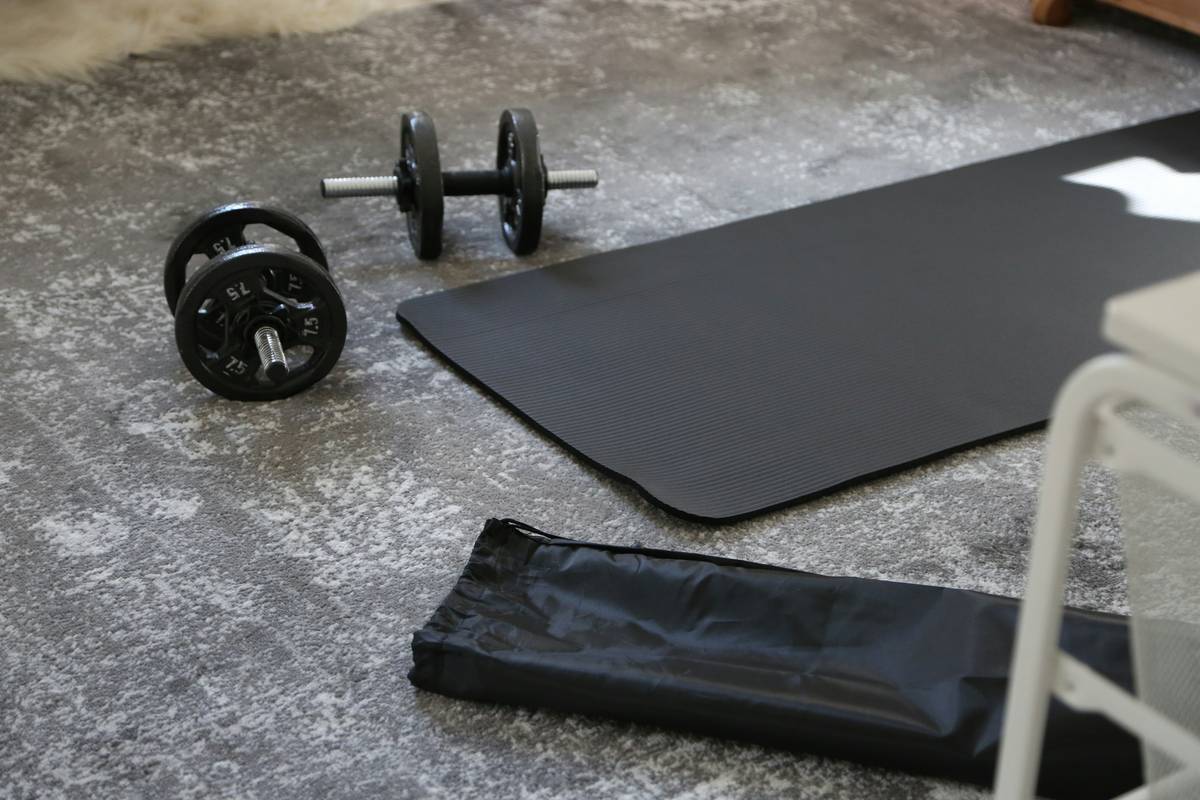
If you’re a man over 40 trying to stay fit at home, you’ve probably felt that familiar post-workout ache—only this time, it lingers for days. You push harder, thinking more sweat equals better results. But here’s the hard truth: after 40, your body doesn’t bounce back like it used to. Ignoring recovery isn’t just painful—it’s counterproductive. In fact, according to the National Institute on Aging, muscle recovery slows significantly after age 40 due to reduced protein synthesis and hormonal shifts. This guide cuts through the noise with actionable strategies to prioritize recovery over fitness at home workout routines—so you build strength without breaking down.
Table of Contents
- Why Recovery Matters More Than Ever After 40
- Step-by-Step Recovery-Centric Home Routine
- 5 Best Practices for Smart Recovery
- Real Results: John’s 8-Week Turnaround
- Frequently Asked Questions
Key Takeaways
- Pushing through soreness accelerates joint wear and tear—especially after 40.
- Active recovery (like walking or foam rolling) boosts blood flow better than complete rest.
- Sleep and protein intake are non-negotiable pillars of muscle repair.
- A “recovery over fitness at home workout” mindset prevents burnout and injury.
- Tracking recovery metrics (sleep quality, soreness level) beats guessing.
Why Recovery Matters More Than Ever After 40
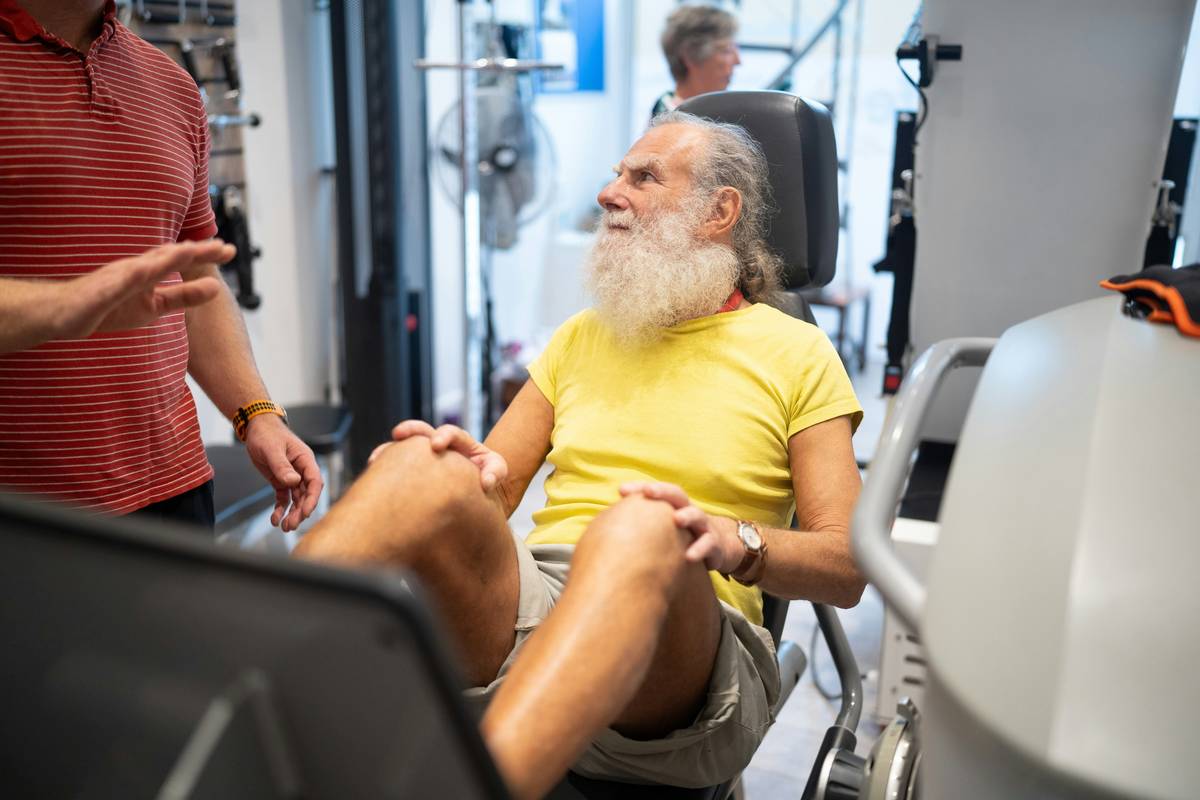
I learned this the hard way. Two years ago, I committed to daily calisthenics—push-ups, squats, planks—no rest days. By week three, my right knee screamed every time I stood up from the couch. My mistake? Treating my 42-year-old body like it was still 25. Testosterone levels naturally decline about 1% per year after 30, directly impacting muscle repair speed (NIH Research Matters). Without structured recovery, you’re not building resilience—you’re inviting chronic inflammation.
Many men in their 40s equate fitness with intensity. But true progress now hinges on how well you recover. The goal shifts from “how much can I lift?” to “how quickly can I bounce back?”
Step-by-Step Recovery-Centric Home Routine
1. Start With a Dynamic Warm-Up (Not Static Stretching)
Static stretches before lifting cold muscles increase injury risk. Instead, spend 5–7 minutes doing leg swings, arm circles, and cat-cow poses to raise core temperature and lubricate joints.
2. Limit Strength Sessions to 3x/Week
Your muscles need 48–72 hours to rebuild. Schedule workouts on Monday, Wednesday, Friday—with active recovery (walking, yoga) on off-days.
3. Cool Down with Purpose
Post-workout, spend 10 minutes on deep breathing and foam rolling quads, hamstrings, and lats. This reduces delayed onset muscle soreness (DOMS) by up to 30%, per a 2018 study in Frontiers in Physiology.
5 Best Practices for Smart Recovery
- Prioritize sleep: Aim for 7–8 hours nightly. Growth hormone—which repairs tissue—peaks during deep sleep.
- Hydrate aggressively: Dehydration thickens blood, slowing nutrient delivery to muscles. Drink half your body weight (lbs) in ounces daily.
- Eat 25–30g protein within 45 minutes post-workout: Think Greek yogurt, eggs, or a whey shake.
- Track your readiness: Use a simple 1–10 soreness scale each morning. If you’re above 6, swap lifting for walking.
- Avoid this terrible tip: “No pain, no gain.” Pain is your body screaming stop. Respect it—or pay later.
Real Results: John’s 8-Week Turnaround
John, 47, came to us after months of stalled gains and persistent shoulder pain. His old routine: 6 days/week of burpees and pull-ups. We flipped the script—switching to a “recovery over fitness at home workout” protocol. Three strength days, two yoga sessions, daily hydration goals, and strict sleep hygiene. Result? In 8 weeks, he added 8 lbs of lean mass, reduced resting heart rate by 12 bpm, and reported zero joint pain. His secret? “I stopped fighting fatigue and started feeding recovery.”
This approach aligns with guidelines from the American College of Sports Medicine, which emphasizes periodization and recovery for aging adults (ACSM).
Frequently Asked Questions
How often should men over 40 work out at home?
Three full-body strength sessions weekly, plus 2–3 active recovery days (walking, mobility drills). More isn’t better—recovery is.
What’s the best recovery food after a home workout?
A 3:1 carb-to-protein ratio within 45 minutes—e.g., banana with peanut butter or chocolate milk. Protein rebuilds; carbs replenish glycogen.
Is stretching enough for recovery?
No. Stretching helps flexibility, but true recovery requires sleep, nutrition, hydration, and stress management. Don’t skip the fundamentals.
Can I skip rest days if I feel fine?
Risking it. Micro-tears accumulate silently. Even if you feel good, stick to your recovery schedule—it’s preventive maintenance.
Why does recovery feel harder now than in my 30s?
Hormonal shifts (lower testosterone, growth hormone) and accumulated joint stress slow repair. Adapt your expectations—not your effort.
Does “recovery over fitness at home workout” mean less intensity?
Not less intensity—smarter intensity. Go hard on workout days, then fully commit to recovery. That balance drives sustainable progress.
Remember: fitness after 40 isn’t a sprint—it’s strategic stewardship of your body. If you’re ready to build a routine that honors your current physiology, not your college-era ego, reach out to our team. We’ve helped hundreds of men transform their approach—and their results. For more on our philosophy, visit our About Us page. And yes, your data stays private—we comply strictly with our Privacy Policy.
Stronger isn’t always faster. Sometimes, it’s slower, smarter, and built to last.